Category: Anamia Saucedo

  • Mastering the Mind: Lessons from Mindset Coach Venny Saucedo

    Mastering the Mind: Lessons from Mindset Coach Venny Saucedo

    The Journey to Mindset Coaching

    Some people discover their passion early in life, while others find it through experience and self-discovery. For mindset coach and my father, Venny Saucedo, the journey to helping others improve their mental outlook began with his own transformation.

    “I started discovering new ways of being and learned more about myself,” Venny shared. “As I grew on self-improvement, I was inspired to share the life-changing strategies with others. I did free training for 18 years before I felt ready to start my coaching business.”

    Now, as a dedicated mindset coach, Venny helps individuals break through mental barriers, embrace growth, and build confidence in their personal and professional lives.

    Essential Tools for Self-Improvement

    For young adults looking to better themselves, Venny emphasizes the importance of stepping outside one’s comfort zone.

    “Learn to be uncomfortable—that’s how you know you’re growing,” he says. “If you can get comfortable with being uncomfortable, you will learn to grow out of your box.”

    Beyond resilience, Venny stresses the importance of trust: trust in oneself, trust in the journey, and, for those who believe, trust in a higher power.

    “Enjoy the journey. It’s okay to not know how it’s going to happen. I learned to trust God and that He will always make it happen as His will. It’s always better anyway.”

    A Simple but Powerful Mental Health Exercise

    Mental health struggles are increasingly common, and Venny offers a simple yet effective daily exercise for those looking to improve their mindset.

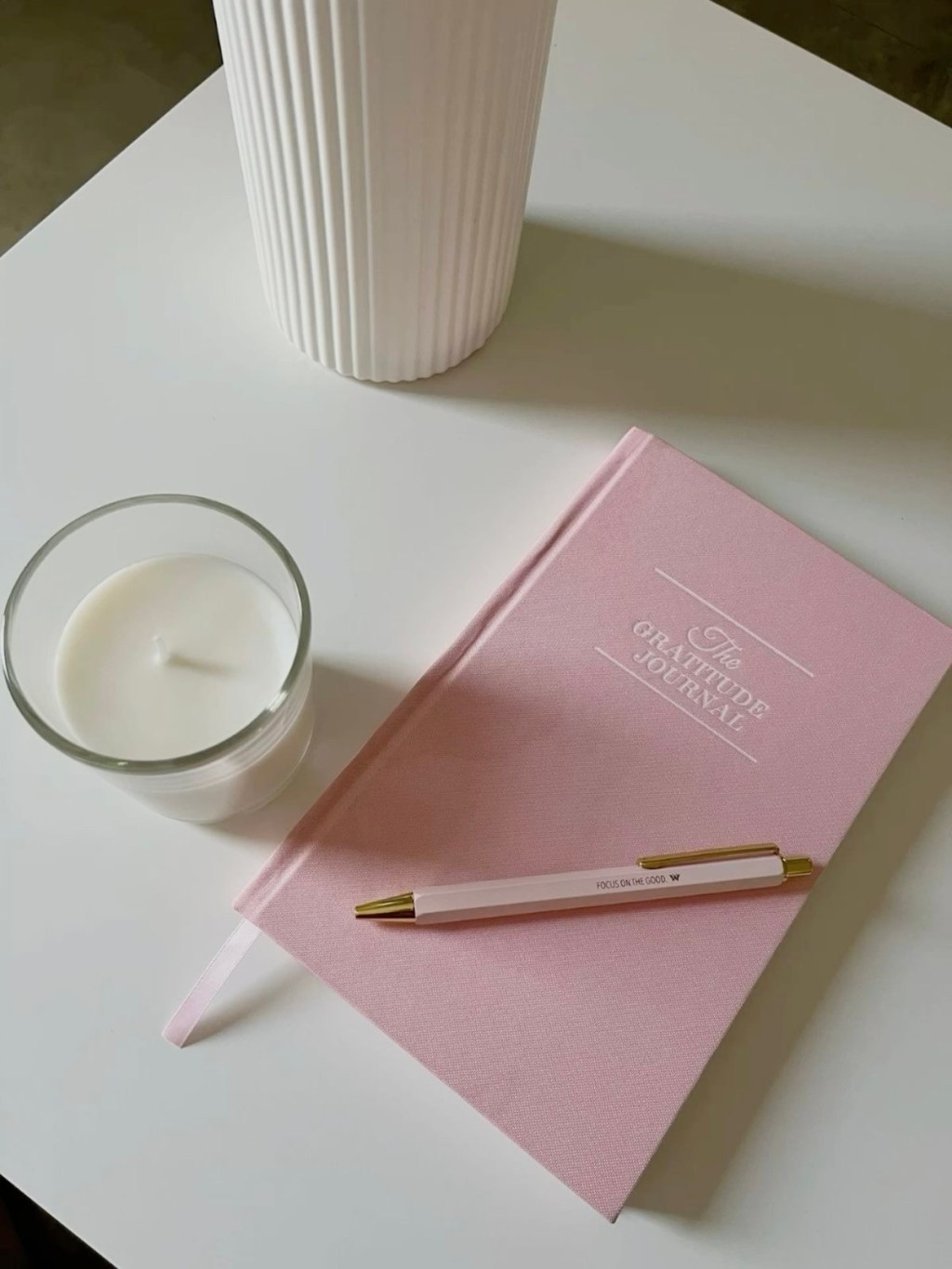
    “I would advise the person to start an exercise of writing in a journal using the A.I.D. method—Appreciation, Intention, and Delegation,” he explains. “This teaches individuals to focus on the good every morning to start their day. It builds a mental muscle to always see the good in life and focus on abundance rather than lack.”

    By consistently practicing this exercise, individuals can train their minds to seek positivity and develop a more optimistic outlook on life. Refer to my AID blog post to learn more about this style of journaling: https://anamiasaucedo.com/2025/02/02/the-power-of-aid-journaling/

    A Vision for the Future

    As Venny looks ahead, his goal extends far beyond individual coaching sessions. He dreams of a future where mindset training is accessible to everyone—starting from an early age.

    “I want to teach my clients and encourage them to continue passing this knowledge on to others. My hope is that one day, mindset training will be taught in public schools, starting in first grade. Imagine if young children understood ‘the voice’—their inner voice, also known as the ego—early on. The impact would be life-changing.”

    Through his work, Venny Saucedo is not only changing lives one session at a time but also planting seeds for a future where mental resilience and self-awareness are core aspects of personal growth.

    A Personal Note of Gratitude

    Having had the opportunity to learn from my father throughout the years has been one of the greatest gifts in my life. His teachings have guided me through countless situations, giving me the tools to navigate challenges with confidence and a positive mindset. The wisdom he shares is something that I believe every single person can benefit from, which is why spreading his message is so important to me. His coaching has shaped the way I approach life, and I am beyond grateful to be able to share his insights with others.

    Final Thought: “The mind is our greatest tool, but only if we learn how to use it wisely.”

  • How Visualization Can Enhance Your Performance

    How Visualization Can Enhance Your Performance

    Visualization is a technique that’s often associated with sports or performance, but it’s much more than that. It’s a tool you can use in any area of life—whether you’re prepping for a big presentation, studying for an exam, or even trying to hit new fitness goals. I was first introduced to visualization by my dad, the best life coach I know. He often told me that “your mind doesn’t know the difference between what’s real and what’s imagined.” That fact is instilled in me. In fact, it’s one of the key principles behind why visualization works: your mind treats vivid, detailed mental images the same as real-life experiences, which can shape how you perform in any situation.

    What is Visualization and How Does It Work?

    Visualization is essentially a mental practice where you create vivid and detailed images in your mind of a specific event, goal, or outcome. This mental rehearsal can include seeing yourself succeeding, experiencing positive emotions, and moving through the situation with confidence. The key is to make these images as detailed and realistic as possible, involving all your senses—sight, sound, touch, and even smell if relevant.

    Here’s why it works: when you visualize yourself succeeding, your brain activates similar neural pathways as if you were actually performing the task. This can help enhance skills, boost confidence, and prepare your body and mind for success.

    How to Use Visualization for Success

    1. Find a Quiet Space
      Start by finding a calm and quiet space where you can sit or lie down without distractions. Close your eyes, take a few deep breaths, and allow your mind to settle.
    2. Set Your Goal or Situation
      Clearly define what you want to visualize. It could be something like giving a flawless presentation, acing a test, hitting a personal best in the gym, or succeeding in a work project. Be as specific as possible.
    3. Create a Vivid Mental Image
      Begin imagining the situation in great detail. For example, if you’re visualizing a presentation, picture yourself standing confidently in front of an audience, speaking clearly, and feeling at ease. If it’s a workout, imagine yourself pushing through each rep with perfect form and strength.
    4. Engage All Your Senses
      The more detailed your mental image, the better. Imagine how it feels, sounds, and even smells. For example, if you’re visualizing a big presentation, you might picture the sound of your voice, the feeling of your body standing tall, or even the room you’re in. The more senses you engage, the more powerful the visualization will be.
    5. Focus on the Positive Outcome
      See yourself succeeding. Visualize how you’ll feel when you complete the task successfully. Emotions are key, so focus on the positive feelings associated with success.
    6. Practice Regularly
      Visualization isn’t something you should do just once and expect instant results. To really benefit, practice regularly. Just a few minutes a day can make a significant difference in your mindset and preparedness.

    Why Visualization Works in Every Aspect of Life

    Visualization isn’t just for athletes. It’s a technique that can help anyone succeed, no matter their field. Here’s how it can be applied to different areas:

    1. Sports
      As an athlete, you can visualize yourself performing at your best—whether it’s nailing a perfect routine, hitting a new personal best, or finishing strong in a race. Mental rehearsal through visualization primes your body for action and helps reduce anxiety.
    2. School or Work
      Visualization can help with anything from acing an exam to delivering a successful presentation or meeting project deadlines. By visualizing a positive outcome, you’re mentally preparing yourself to perform well, even in high-pressure situations.
    3. Overcoming Fear or Anxiety
      Many people use visualization to calm their nerves before a big event. When you mentally rehearse a positive outcome, you’re training your mind to expect success. This can help reduce performance anxiety and increase confidence.
    4. Building Confidence
      Visualization can also be a tool to build self-esteem. By consistently imagining yourself succeeding, you’ll start to believe in your ability to achieve your goals. This boost in self-confidence can translate into real-world success.

    How Visualization Helped Me

    I’ve used visualization to help me manage stress and perform at my best, especially when the pressure is on. For example, before any big performance, usually dance related, I would take a few moments to sit quietly, close my eyes, and visualize myself doing my routine perfectly. I would picture myself moving with confidence and feeling at ease. When I walked onto the stage or took the floor, I was already mentally prepared for success.

    It wasn’t just about the physical execution—it was about having the right mindset. Visualization allowed me to walk in with confidence and calm, setting me up to perform at my peak.

    Your Mindset is Your Greatest Tool

    Visualization is a powerful and accessible tool that can be applied to any area of life. By taking just a few minutes each day to mentally rehearse a positive outcome, you can train your mind and body to perform at their best. Your mind doesn’t know the difference between what’s imagined and what’s real, so by visualizing success, you’re preparing yourself to achieve it.

    Try it and watch how it can transform your performance and boost your confidence. The power is within you—start visualizing your success today!

  • The “That Girl” Myth: Find the Routine That Works for You

    The “That Girl” Myth: Find the Routine That Works for You

    Wake up at 5 AM. Drink lemon water. Meditate. Do a 10-step skincare routine. Journal. Hit the gym. Work on your goals. Eat a perfectly balanced, aesthetic meal. Stay productive, but also make time for self-care.

    Sound familiar?

    The “That Girl” trend took over social media, pushing an image of the ultimate put-together woman—someone who thrives in structure, glows from within, and never seems to have an off day. At first glance, it’s inspiring. Who wouldn’t want to feel like their best self? But for many, it quickly turns into an exhausting standard that feels impossible to meet.

    Because the truth is, real life isn’t always aesthetic. And success? It doesn’t come from following a perfectly curated routine—it comes from doing what actually works for you.

    The Pressure to Be “That Girl”

    Social media makes it look easy. A quick scroll through TikTok or Instagram is filled with morning routines that feel straight out of a wellness magazine. Clean sheets, sunrise journaling, a perfectly foamed matcha latte. It’s all effortlessly perfect. But what those videos don’t show are the messy parts: the days when motivation is nonexistent, the nights spent overthinking, or the moments when life just doesn’t fit into a structured schedule.

    There’s nothing wrong with wanting to be disciplined, healthy, and productive. But the problem with the “That Girl” image is that it often feels like an all-or-nothing approach. If you don’t wake up early, if you don’t have the energy to work out, or if you just don’t feel like it, suddenly it seems like you’re falling behind. And that mindset? It’s draining.

    Success Looks Different for Everyone

    Here’s the thing: no single morning routine, self-care ritual, or lifestyle formula will work for everyone. The reason? People have different schedules, energy levels, mental health needs, and responsibilities.

    Some people thrive in structured routines, while others need flexibility. Some feel energized by early mornings, while others do their best thinking at night. Some can commit to an intense workout schedule, while others are just trying to move their body when they can.

    The goal shouldn’t be to copy someone else’s version of success. It should be to create a lifestyle that feels good for you.

    How to Build a Routine That Actually Works

    Instead of chasing an idealized version of wellness, try focusing on habits that fit into your real life. Here’s how:

    Start small. You don’t need to overhaul your entire life overnight. Pick one habit that feels doable—maybe drinking more water, moving your body in a way you enjoy, or setting aside time to decompress at the end of the day.

    Prioritize what feels good. If waking up at 5 AM makes you miserable, don’t do it. If long journaling sessions aren’t your thing, find another way to check in with yourself—like voice notes, short reflections, or even a quick chat with a friend.

    Ditch the “all-or-nothing” mindset. You don’t need to be productive 24/7 to be successful. Some days will be less structured, and that’s okay. Resting doesn’t mean failing. It means recharging.

    Make it sustainable. A good routine isn’t about perfection—it’s about consistency. If something feels forced or unrealistic, it won’t last. Instead, build habits that support you, not stress you out.

    Redefining “That Girl” on Your Own Terms

    Being “That Girl” doesn’t have to mean following a rigid, aesthetic lifestyle. It can mean showing up for yourself in ways that make sense for you. Maybe that’s getting extra sleep instead of forcing a 5 AM wake-up. Maybe it’s skipping the gym in favor of a slow morning. Maybe it’s understanding that self-improvement isn’t about looking a certain way. It’s about feeling at peace with yourself.

    At the end of the day, success isn’t found in the perfect routine. It’s found in the habits, choices, and moments that help you feel like the best version of yourself. Even if that version looks different every day.

    So forget the pressure to be her. Just be you.

  • Social Media and Self-Worth: How to Scroll Without Losing Yourself

    Social Media and Self-Worth: How to Scroll Without Losing Yourself

    Social media is part of everyday life. It’s where people catch up with friends, discover trends, and share pieces of themselves. But it can also be overwhelming. The pressure to look a certain way, have an exciting social life, or even just keep up with constant notifications can take a toll.

    It’s easy to get caught in the cycle: scrolling through Instagram, seeing someone’s perfect outfit, glowing skin, or latest vacation, and suddenly feeling like life isn’t measuring up. Even when it’s obvious that most posts are edited, filtered, or just the best version of reality, the comparison still creeps in. And that feeling? It’s exhausting.

    But social media doesn’t have to be a negative space. It can be a tool for inspiration, connection, and self-expression. If used in the right way. The key is learning how to set boundaries, change the way content is consumed, and take back control of the experience.

    1. Unfollow the Pressure, Follow What Feels Good

    Ever followed someone just because they seemed “cool” or because everyone else does? Over time, those accounts can start to feel like a personal measuring stick—constantly reminding people of what they don’t have. It’s important to ask: Does this account inspire confidence, or does it create insecurity?

    Social media should be a space that uplifts, not one that triggers self-doubt. Muting or unfollowing accounts that bring negative feelings doesn’t mean there’s anything wrong with them. It just means they aren’t serving a positive purpose. On the flip side, following creators who encourage self-love, realness, and empowerment can completely shift the experience.

    Try this: Take five minutes to go through your following list. If an account makes you feel anxious, not good enough, or just drained—mute it or unfollow. Then, replace it with accounts that bring something positive into your life.

    2. Take Back Your Time

    Social media is designed to be addictive. The endless scroll, the constant notifications—it’s all meant to keep people coming back. And without realizing it, hours can disappear into mindless scrolling. While social media can be fun, too much of it can make reality feel dull in comparison.

    Setting limits doesn’t mean quitting altogether. It just means being mindful of how much time is spent online. Whether it’s avoiding social media first thing in the morning, keeping the phone away before bed, or using app time limits, small changes can make a big difference in mental clarity and mood.

    Try this: Set a 30-minute daily limit for social media use, or schedule intentional breaks. Even just a few hours of unplugging can help reset the mind and reduce stress.

    3. Stop Letting Likes Define Your Worth

    It’s easy to get caught up in the numbers—likes, comments, followers. But those things have nothing to do with real-life value. Yet, many people post something and immediately check back, waiting for validation. And if the engagement isn’t as high as expected? It can feel like rejection.

    Social media should be fun, not stressful. The healthiest mindset is to post what feels good, not what’s expected to get the most attention. The more someone detaches from the need for external validation, the freer they become.

    Try this: Next time you post, challenge yourself to not check likes or comments for a few hours—or even the whole day. Instead, focus on the experience of sharing, not the response.

    4. Use Social Media With Purpose

    Scrolling just to scroll can be draining. But using social media intentionally changes the experience. Instead of falling into the comparison trap, use platforms for connection, creativity, and learning. Engage with content that sparks joy, start conversations that matter, and interact with people who genuinely add value to your life.

    Instead of scrolling through strangers’ highlight reels, try focusing on meaningful engagement. Whether it’s commenting something kind on a friend’s post, joining a positive community, or sharing something that feels authentic, shifting the focus from consumption to connection can make all the difference.

    Try this: Next time you open an app, ask yourself: “Am I here to connect, learn, or be inspired?” If the answer is no, consider logging off for a while.

    Final Thoughts

    Social media isn’t going anywhere, and it doesn’t have to be the enemy. It can be a space for inspiration, fun, and self-expression—but only when used in a way that supports mental health. By setting boundaries, curating a feed that uplifts, and letting go of the need for validation, it becomes easier to navigate the digital world without losing yourself in it.

    At the end of the day, no app, algorithm, or trend defines your worth. You do.

  • Mental Strength Beyond Sports: Nike’s Impact on Mental Health

    Mental Strength Beyond Sports: Nike’s Impact on Mental Health

    Nike has long been a symbol of athletic excellence, but in recent years, the company has broadened its reach to focus on something just as important—mental health. Through its Corporate Social Responsibility (CSR) initiatives, Nike has made significant strides in advocating for mental health awareness, not just for elite athletes, but for everyday individuals as well.

    Nike’s Mental Health CSR Initiative: Empowering Athletes and the Public

    Nike’s commitment to mental health fits seamlessly into its brand identity. Known for encouraging resilience and performance, the company is now using its platform to support mental wellness. In partnership with organizations like the National Alliance on Mental Illness (NAMI), Nike is raising awareness and creating open dialogue about mental health struggles.

    Athletes like Naomi Osaka and Michael Phelps have been instrumental in amplifying this message. Both have openly discussed their personal battles with mental health, and Nike has supported them every step of the way. When Osaka withdrew from the 2021 French Open to focus on her mental health, Nike’s response wasn’t just supportive—it helped shift the narrative that mental health struggles should be kept hidden.

    This type of advocacy is important, especially in sports, where the pressure to perform is immense. By normalizing mental wellness, Nike is helping people understand that taking care of one’s mind is just as crucial as taking care of the body.

    Communication Strategies: Connecting Through Storytelling

    Nike’s communication strategies around mental health are highly effective, largely due to the power of storytelling. Through powerful narratives from athletes like Osaka, Phelps, and others, Nike humanizes the conversation about mental health. These stories highlight the importance of acknowledging struggles and seeking help—not just about overcoming them.

    Nike uses social media to foster a global conversation about mental wellness. Campaigns like #YouCantStopUs don’t just celebrate physical performance—they also highlight the mental strength needed to overcome challenges. By using Instagram, Twitter, and YouTube, Nike creates a supportive online space where individuals can connect and find inspiration.

    Evaluating Nike’s Mental Health Campaigns

    Nike’s mental health campaigns have been effective in breaking down the stigma surrounding mental wellness, especially in the athletic community. The visibility of athletes like Osaka sharing their struggles has empowered others to do the same, creating a ripple effect of openness and support.

    Nike also provides resources through its partnerships with organizations like NAMI, offering valuable mental health tools for the public. The company’s campaigns are not just about selling products—they are about creating cultural change, encouraging people to prioritize their well-being.

    Resilience and Inclusivity: Core Values in Action

    Nike’s focus on mental health ties back to its core values: resilience, empowerment, and inclusivity. The company is telling us that strength isn’t just physical—it’s mental too. Whether you’re an athlete, a student, or just navigating life, Nike’s message is clear: prioritize your mental wellness.

    Nike’s approach to mental health advocacy also emphasizes inclusivity. Their message is for everyone—mental health doesn’t discriminate based on age, race, or background. This inclusive message helps make the conversation accessible to people from all walks of life.

    Making a Real Impact

    Nike’s commitment to mental health highlights its values and willingness to use its platform for good. Through campaigns, partnerships, and support for athletes, Nike is helping to reshape how mental health is viewed in both sports and everyday life.

    To learn more about Nike’s mental health initiatives, check out their website: Nike Mental Health Campaigns.

  • How Healthy Habits Can Transform Your Mindset

    How Healthy Habits Can Transform Your Mindset

    College life is fast-paced, and balancing school, work, sports, and everything in between can easily lead to burnout. For many, it’s not until things start to feel overwhelming that they realize the power of simple, healthy habits. By developing a few key habits, it’s possible to stay focused, reduce stress, and perform better in both personal and professional aspects of life.

    Here’s a breakdown of habits that can make a difference in daily life.

    1. Time Management: Taking Control of the Day

    Without a clear plan, it’s easy to let the demands of school and work spiral out of control. Time management isn’t about being busy—it’s about being strategic. Creating a detailed schedule, breaking tasks into manageable chunks, and prioritizing responsibilities can help restore a sense of control. With effective time management, the chaos becomes manageable, and there’s space to focus on what really matters.

    2. Mindfulness: Finding Calm in the Chaos

    In a busy environment, mental well-being can often be neglected. Taking just a few minutes a day to practice mindfulness can have a huge impact. Whether it’s through deep breathing, meditation, or a moment of reflection, these small breaks provide the mental reset needed to stay focused and grounded. Mindfulness helps create mental clarity, reduces stress, and improves overall well-being.

    3. Exercise: Enhancing Focus and Mood

    Exercise is more than just a physical boost—it’s a powerful tool for mental clarity and emotional well-being. Whether it’s a quick gym session or a walk outdoors, moving the body helps release stress and refreshes the mind. Regular exercise not only boosts energy levels but also enhances mood and improves concentration. It’s a simple yet effective habit that supports performance in all areas of life.

    4. Sleep: The Foundation of Productivity

    It’s easy to sacrifice sleep when there’s too much to do, but this often leads to burnout. Prioritizing rest is key to maintaining focus, energy, and overall mental health. Getting enough sleep improves cognitive function, mood, and physical performance. A well-rested mind and body are essential for staying sharp in both work and school environments.

    5. Nutrition: Fueling the Body and Mind

    The foods we consume have a direct impact on energy levels and mental clarity. While it might be tempting to reach for quick snacks or caffeine, nourishing the body with whole foods leads to sustained energy and better focus. Balanced nutrition supports both physical performance and mental clarity, helping to stay on track and motivated throughout the day.

    6. Positive Connections: Surround Yourself with Uplifting People

    Who you spend time with plays a huge role in your mental and emotional state. Building relationships with people who inspire, support, and motivate you can make all the difference. Positive connections help foster a sense of community and belonging, which can improve your overall well-being. Whether it’s friends, family, or colleagues, surrounding yourself with people who lift you up will contribute to a more fulfilling and optimistic outlook on life.

    Embrace the Power of Healthy Habits

    Healthy habits are not just routines—they’re a way to invest in yourself and your future. Time management, mindfulness, exercise, sleep, nutrition, and connections all work together to help you navigate life’s challenges with more ease, confidence, and joy. By embracing these habits, you’re not just improving productivity or reducing stress; you’re creating a foundation for a balanced and fulfilling life, no matter what comes your way. You’ve got the tools. Now it’s time to build the life you deserve.

  • The Power of AID Journaling

    The Power of AID Journaling

    In today’s fast-paced world, stress is a constant companion, especially for young adults and athletes. Between school deadlines, practice schedules, and the pressures of balancing it all, it’s easy to feel overwhelmed. But there’s a simple tool that can help clear your mind, boost your positivity, and manage stress: AID journaling.

    This method, rooted in three powerful steps—Appreciation, Intention, and Delegation—has been a game-changer for me. From a young age, my dad taught me this technique, and I’m excited to share how it can benefit you too.

    What is AID Journaling?

    AID stands for:

    • Appreciation – Start by acknowledging what you’re grateful for.
    • Intention – Set a clear, focused goal for the day.
    • Delegation – Commit to a larger objective and hold yourself accountable.

    When you make journaling a daily habit, it provides you with a mental blueprint to tackle challenges with clarity and calmness. This method doesn’t just help you get through the day—it sets the tone for success and stress relief. Let’s dive into how each part of AID contributes to a more balanced and positive mindset.

    1. Appreciation: Start Your Day with Gratitude

    The first step, Appreciation, is all about looking at your day through a lens of gratitude. It’s so easy to jump straight into the chaos of your to-do list, but when you take a moment to reflect on the things you appreciate, you set a positive tone for the entire day.

    Why it works: Starting your day with gratitude shifts your focus from what’s lacking to what’s abundant. It instantly elevates your mood and lowers stress, giving you a sense of calm and control. I’ve learned from years of competitive dancing that gratitude makes a world of difference when the pressure starts to mount. When I appreciate my body’s strength, the support of my teammates, or even a quiet moment of peace, it helps ground me before any stressful task or competition.

    Try it: Write down 3 things you’re grateful for every morning. It could be as simple as enjoying a good cup of coffee or the progress you’ve made in your training. Just watch how this one simple habit transforms your outlook for the day.


    2. Intention: Choose How You Show Up

    The second step, Intention, is about actively choosing the mindset and energy you want to bring into your day. Instead of just reacting to the day’s challenges, you decide how you want to feel and how you want to show up. For example, today I choose to be radiant, excited, motivated, and active. When you set this kind of intention, you’re consciously deciding the attitude and energy you will carry with you through every interaction, task, or workout. It’s about aligning your mindset with your goals.

    Why it works: When you set a positive intention, it primes your brain for success. Instead of feeling like a passive participant in your day, you’re the driver. By choosing to be radiant, excited, and motivated, you attract those qualities into your actions. This intentional mindset is especially helpful for athletes and students. Whether you’re heading into a tough practice or preparing for a challenging exam, intentionally choosing to stay positive and energized helps you perform better and feel more in control.

    Try it: Each morning, declare one or more intentions for your day. It could be as simple as “I choose to be present,” or “I choose to stay motivated.” Writing these down shifts your mindset from just surviving the day to actively thriving in it. By doing so, you invite the energy and positivity that helps you succeed.


    3. Delegation: Take Control of Your Long-Term Goals

    Lastly, Delegation involves committing to your long-term goals. It’s easy to feel weighed down by immediate tasks, but when you shift your focus to the bigger picture, you feel more in control. This is about holding yourself accountable and delegating your energy toward something that truly matters. Whether it’s staying committed to your fitness goals, improving in a sport, or finishing your semester strong.

    Why it works: By actively committing to a larger goal, you remind yourself that each small task is part of a bigger purpose. It keeps you motivated and focused on what really matters, even when day-to-day stress starts to pile up. I’ve found that this aspect of AID journaling helps me persevere through challenging times, whether it’s a tough dance rehearsal or a pile of schoolwork. Delegating my energy towards achieving top grades or reaching a new personal best gives me something to strive for beyond the immediate stress.

    Try it: Write down one big goal you’re working toward. It could be as broad as “achieving better time management” or more specific, like “maintaining an A average this semester.” This will give you the motivation to push through difficult days.


    Make AID Journaling a Habit

    The beauty of AID journaling lies in its simplicity. By starting your day with appreciation, setting a clear intention, and focusing on long-term goals, you build a strong, positive mindset that will carry you through anything life throws your way.

    I’ve personally experienced the benefits of AID journaling throughout my life as a competitive dancer and student. It helped me manage stress, stay positive, and navigate challenges with a clearer, more focused mind. AID journaling is the tool you need to reclaim your mental space, boost your motivation, and set yourself up for success.

    So, why not give it a try? Start tomorrow with a fresh perspective, and see how AID journaling can transform your mindset—and your day.


  • Strong Girls United: Empowering Young Women Through Fitness and Mindset

    Strong Girls United: Empowering Young Women Through Fitness and Mindset

    In the world of fitness, physical strength is only part of the equation. Whether you’re training for a marathon, lifting heavier weights, or pushing through an intense HIIT session, your mental resilience plays a crucial role in performance. Strong Girls United (SGU) is a nonprofit organization dedicated to helping young women develop both their physical and mental strength through mentorship, positive self-talk, goal setting, and community support.

    About Strong Girls United

    Founded with the mission of empowering young women through sports, fitness, and mental resilience, SGU provides programs that combine physical activity with mental skills training. Their initiatives focus on building confidence, fostering leadership, and teaching strategies for overcoming obstacles both in sports and life.

    Learn more about their mission here: Strong Girls United

    The Power of Positive Self-Talk

    SGU emphasizes the importance of mental resilience through programs that help girls shift their mindset towards growth and self-belief. Their curriculum encourages the use of positive affirmations, reflection journals, and mindfulness techniques to build mental toughness.

    Try This:

    • Replace negative thoughts like “I can’t do this” with “I am strong and capable.”
    • Use mantras like “One more rep” or “I control my effort” to stay focused.

    Goal Setting: Your Roadmap to Success

    Setting and achieving goals is a core component of SGU’s programming. The organization provides structured goal-setting activities that help young women create actionable steps toward personal and athletic growth.

    Try This:

    • Set short-term goals (e.g., “Run three times this week”) and long-term goals (e.g., “Train for a half marathon by the end of the year”).
    • Track your progress using a journal or fitness app.
    • Celebrate small wins to stay motivated.

    Overcoming Mental Blocks

    Mental blocks are common in fitness, whether it’s fear of failure, performance anxiety, or self-doubt. SGU encourages young women to use mindfulness and mental imagery to break through mental barriers. Their programs incorporate techniques like visualization exercises and confidence-building workshops.

    Try This:

    • Before a workout, visualize yourself completing the session successfully.
    • Practice deep breathing exercises to reduce stress.
    • Seek support from a coach, trainer, or fitness community.

    Building Confidence Through Team Support

    SGU fosters mentorship and peer support, providing a strong sense of community for young women. Through structured mentorship programs, participants engage in meaningful relationships that build confidence and leadership skills.

    Try This:

    • Join a local sports team, running club, or group fitness class.
    • Find a workout partner to stay accountable.
    • Engage with online fitness communities that promote mental wellness.

    Get Involved with Strong Girls United

    SGU offers various ways to get involved, whether through mentorship, donations, or participation in their programs. If you’re passionate about empowering young women through fitness and mindset, consider supporting their mission.

    Learn more about how you can contribute here: Get Involved

    Strengthen Your Mind, Strengthen Your Performance

    Mental wellness is just as important as physical training when it comes to fitness success. Strong Girls United is leading the way in integrating mental health with athletic training, proving that a strong mind is the key to a strong body.

    Interested in learning more? Visit Strong Girls United to explore their programs and support their mission.

  • Why Mental Wellness Should Be Your Top Priority

    Why Mental Wellness Should Be Your Top Priority

    In today’s fast-paced world, it’s easy to put our mental health on the back burner. Between academic pressure, work demands, social obligations, and the constant pull of technology, it often feels like we’re constantly moving at breakneck speed, with little time to check in on ourselves. But the truth is, mental wellness is just as important as physical health—and arguably, it’s the foundation for everything else in our lives.

    For me, the importance of mental wellness became clear at an early age. Growing up as a student-athlete, I quickly realized that maintaining a positive mindset was just as crucial to success as training my body. Whether it was dealing with the pressures of school, balancing a busy dance schedule, or navigating the highs and lows of life, I learned that mental resilience was key to staying grounded. Over the years, I’ve come to understand that how we manage stress, stay focused, and handle challenges plays a huge role in shaping our daily lives and overall well-being.

    Mental wellness doesn’t just impact our emotional state—it also affects our physical health, relationships, and ability to perform at our best. A strong mental foundation helps us cope with life’s inevitable challenges with greater ease and clarity. When our mindset is aligned with self-care, positivity, and growth, we become more equipped to handle stress, make healthier decisions, and even improve our physical health. From practices that help reduce stress to methods that improve focus and boost self-confidence, it is important to dive deep into ways we can all prioritize mental health in our lives.

    What I’ve learned through dance, personal growth, and the influence of people around me is that mental wellness isn’t something we achieve once and forget about—it’s an ongoing journey. And this journey is about learning, adapting, and embracing the imperfections along the way.

    So, as you go about your day, I encourage you to think about how you’re currently prioritizing your own mental wellness. Are you taking the time to check in with yourself? Are you practicing mindfulness, resilience, and self-compassion? Just like any other area of life, mental health requires attention, care, and consistency.

    Mental wellness should be your top priority. It’s the key to unlocking your fullest potential.